
Le loup de Lafontaine en animation carton! (The Wolf of Lafontaine in Cardboard Animation)
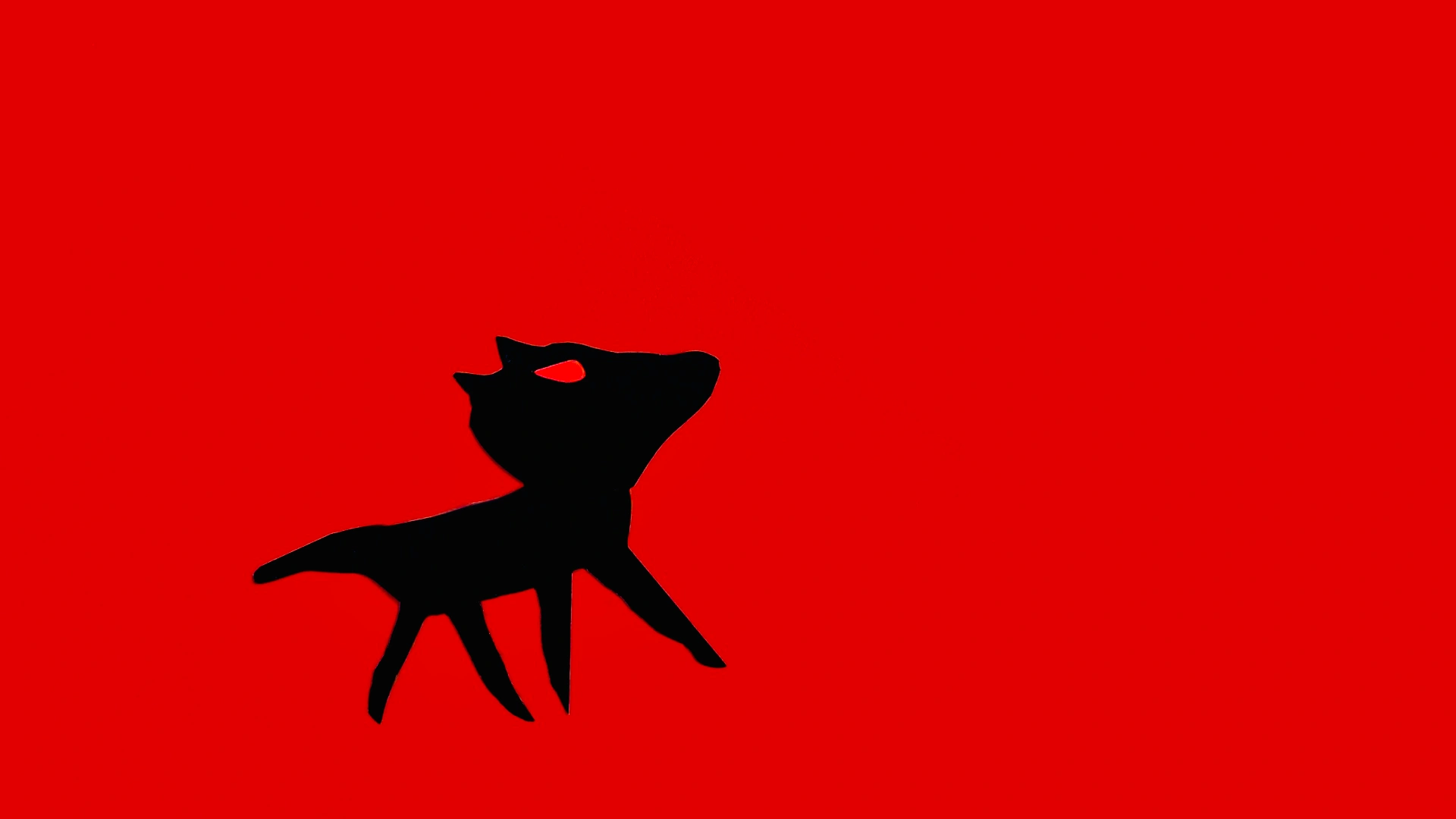
When the Wolf Howls, Voices Unite!
In Lafontaine, the wolf roams far beyond the forest. For generations, it has lived on in a story where fear ultimately brings a divided village together.
With Le Loup du village, Productions Effet Papillon brings this legend from the spoken word to the screen. Stéphane Guertin, Dominic Asselin, Jean-Marc Lalonde, and several voices connected to Lafontaine give it new life through an animated short film populated by hand-cut and articulated characters.
In just over five minutes, the film revives a legend that forms part of Lafontaine’s collective memory. Behind the story of the wolf emerges the portrait of a Francophone community that continues to pass on its stories, solidarity, and identity from one generation to the next.
A Legend That Brings People Together
Passed down from generation to generation, the legend tells of a fierce wolf that once spread fear throughout the village of Lafontaine. To confront it, people who did not get along had to set aside their differences and work together.
The wolf thus becomes more than a threatening animal. It brings people together and reveals the strength that can emerge when a community unites its voices in the face of adversity.
This story still holds an important place in Huronia’s Francophone memory. It notably inspired the Festival du Loup and continues to live on through the people who tell it, sing it, and pass it on. By bringing it to the screen, the project anchors this local story in the present and allows it to reach new audiences.
From Storytelling to Animation, One Frame at a Time
Stéphane Guertin first adapted the legend for the stage in a performance of more than twenty minutes combining storytelling, humour, objects, and sound creation. For the short film, the team condensed this version to preserve its essential moments and give it the pace of a five-minute animation.
People connected to Lafontaine shared their knowledge of the story, its various versions, and its cultural context. Martin Lalonde, in particular, helped strengthen ties with the community. These exchanges informed the script, characters, sets, and portrayal of the village.
The visual world was then crafted by hand. The various parts of the characters were drawn, cut out, assembled, and articulated, and their movements were captured frame by frame.
A three-headed character represents the different perspectives that can coexist within a community, even when people must find a way to move forward together.
The Voices of Lafontaine at the Heart of the Film
In animation, voices do not simply accompany the images. They establish the rhythm of the scenes, guide the movement, and shape the editing process.
The film brings together the performances of Stéphane Guertin and Dominic Asselin with those of Martin Lalonde, Nadine Lalonde, Louis Lefaive, Jean-Marc Lalonde, and Léa Guertin-Alessandra. Several of these voices are directly connected to Lafontaine, giving the story a local character and maintaining a living link with its place of origin.
Jean-Marc Lalonde’s original music accompanies their words and helps create the atmosphere of the tale. Together, these voices allow the legend to continue circulating, evolving, and bringing people together.
All Credits
- Production: Productions Effet Papillon
- Artistic direction, writing, animation and voice: Stéphane Guertin
- Direction, animation and voice: Dominic Asselin
- Music and voice: Jean-Marc Lalonde
- Voice and community contribution: Martin Lalonde
- Voices: Nadine Lalonde, Louis Lefaive, Léa Guertin-Alessandra
- With contributions from: People connected to the Lafontaine community who shared their knowledge of the legend and the region